

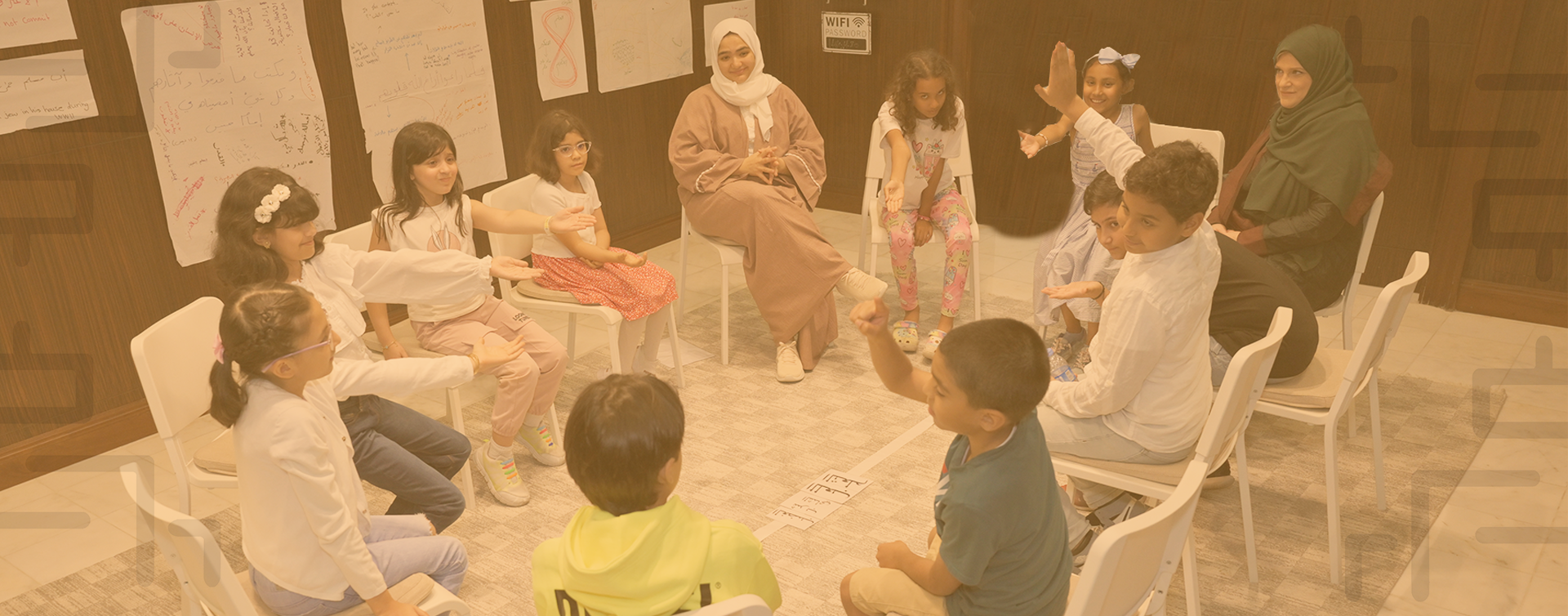
معهد بصيرة الرائد في التدريب والاستشارات التربوية والتعليمية في المملكة العربية السعودية يستخدم برامج معتمدة دوليًّا وكفاءات عالية لإعداد الأفراد والمنشآت التعليمية للتيسير في التفكير الفلسفي بمنهجية P4C كأساس لتطوير أدوات التعليم والتعلُّم والأساليب البيداغوجية والبيئة التعليمية.
قراءة المزيدبدأت مسيرة معهد بصيرة في مدينة جدة بالمملكة العربية السعودية عام 2011م من خلال مبادرة تعليمية ريادية أطلقتها أ. داليا تونسي في مجال تعليم وتعلُّم التفكير الفلسفي (P4C)، عبر تنفيذ ورش ولقاءات إثرائية استهدفت فئات عمرية متنوعة، وشكّلت هذه التجربة الأساس الذي انطلقت منه بصيرة لاحقًا. وفي عام 2018م، تأسست بصيرة كمؤسسة مختصة في الاستشارات التعليمية والتربوية، وأصبحت أول جهة في العالم العربي تقدم مسارًا متكاملًا ومعتمدًا لإعداد ميسّري التفكير الفلسفي (P4C) بمستوياته الثلاث، بالتعاون مع الشريك الدولي DialogueWorks. وفي عام 2022م، دُشّن معهد بصيرة للتدريب، ليختصّ في تعليم وتعلُّم التفكير الفلسفي وتطوير مناهج وأدوات التعليم والتعلُّم الحواري، كما توسّع حضوره المؤسسي عبر المشاركة في المحافل الثقافية والأكاديمية المحلية والدولية، وبناء شراكات ومشاريع في مجالات التعليم والثقافة، بما في ذلك التعاون مع وزارتي التعليم والثقافة في المملكة العربية السعودية و وزارة التربية والتعليم في دولة الإمارات العربية المتحدة . وفي عام 2023م، أُطلقت دار بصيرة للنشر والتوزيع بهدف تطوير وإنتاج محتوى عربي مختص في مجال التفكير الفلسفي (P4C)، بما يدعم المحتوى المعرفي والتطبيقي المرتبط بالمجال. وشهد عام 2025م إطلاق برنامج إعداد المنشآت التعليمية والثقافية بمنهجية تعليم وتعلُّم التفكير الفلسفي، ضمن توجه المعهد نحو دعم تطوير البيئات التعليمية والمؤسسية، وتوسيع نطاق تطبيق المنهجية في القطاعين التعليمي والثقافي.
قراءة المزيدأن تسهم بصيرة في ازدهار مجتمعات للتساؤل والحوار عبر العالم العربي ، يكون فيها التفكير الفلسفي جزءًا حيًّا من الممارسات المجتمعية والتعليمية والحياة اليومية.
قراءة المزيددعم ونشر التعليم والتعلّم الحواري بمنهجية P4C في العالم العربي، عبر اعتماد المنشآت والأفراد. تطوير أدوات التعلُّم وأسلوب المنهج والبيئة التعليمية.
قراءة المزيد١. أن نطور القدرات الإدراكية عبر تعلُّم العادات الذهنية العليا (التساؤل فلسفي الاستقصائي، التفكير المفاهيمي، التفكير الناقد ..) ودمجها في منهجيات التعليم والتعلُّم الحواري. ٢. أن نعزز غايات التفكير الفلسفي (التفكّر، تقدير الفضائل، الرعائية..) عبر منهجيات التعليم والتعلُّم الحواري. ٣. أن نعزز غايات التفكير الفلسفي (التفكّر، تقدير الفضائل، الرعائية..) عبر منهجيات التعليم والتعلُّم الحواري.
قراءة المزيدبدأت رحلتي من تجربتي أمًّا لخمسة أبناء رائعين؛ فقد عمّقت الأمومة إيماني بقيمة التعلّم الذاتي، وبأهمية إيقاظ التفكّر داخل الأسرة وتحويل الحياة اليومية إلى مساحة حيّة للتساؤل والتعلّم المشترك. ثم جاء تخصّصي الجامعي ليعزّز اهتمامي بالتعليل الأخلاقي، باعتباره غاية أساسية من غايات التعليم، ويوجّه مساري المهني نحو التعليم والتعلّم الحواريين. ومن هنا بدأ عملي مستشارةً تربوية، إلى أن التقيت بالتخصّص الذي وجدت فيه شغفي الحقيقي: تيسير تعليم التفكير الفلسفي للأطفال والناشئة (P4C). واليوم، بعد أكثر من عشرة أعوام من التعلّم والعمل والممارسة، أستطيع القول إنني وجدت في هذا المجال شغفي وقوّتي وإلهامي، والدور الذي أطمح إلى أدائه في نشر تعليم التفكير الفلسفي باحترافية في العالم العربي. يمثّل تعليم التفكير الفلسفي (P4C) تحوّلًا نوعيًّا في العملية التعليمية؛ فهو يوقظ فضول المتعلّم، ويمنحه هبة التساؤل، وينمّي قدرته على بناء أفكاره وتعليلها ومراجعتها. كما يصنع توازنًا أكثر إنسانية في العلاقة بين الميسّر والمتعلّم، ويهيّئ بيئة حوارية يصبح فيها التعليم والتعلّم تجربة مشتركة ومستمرة، يتبادل فيها الجميع الإصغاء والتفكّر وبناء المعنى. وفي بلدي الحبيب، المملكة العربية السعودية، حيث تتسارع خطوات التطوّر في مختلف المجالات، أؤمن بأن الوقت قد حان لترسيخ نموذج التعليم والتعلّم الحواري الذي يقدّمه التفكير الفلسفي بكل ما يحمله من طاقة بنّاءة وإمكانات تربوية واعدة؛ لنكون نقطة انطلاق لريادة عربية أصيلة في هذا المجال. ومن موقعي خبيرةً عربية رائدة في تعليم التفكير الفلسفي، أسير بخطوات صادقة وطموحة نحو إحداث هذا التغيير، والإسهام في الانتقال من التعليم القائم على التلقين إلى التيسير القائم على الحوار والتساؤل. ومن هنا انطلقت «بصيرة» لتقديم برامج احترافية معتمدة عالميًّا، وبناء كفاءات عربية مؤهلة لتيسير تعليم التفكير الفلسفي باللغة العربية؛ إيمانًا بأن كل تحوّل حقيقي في التعليم يبدأ بسؤال، وأن كل سؤال صادق قد يفتح أمام الإنسان أفقًا جديدًا للفهم.
قراءة المزيد






بوصفنا جهة ذات خبرات وجودة عالميتان، حاصلة على شراكات دولية واعتماد محلي، نفخر بتصدير خبرتنا العالمية والأصيلة للوطن العربي بهويتنا العربية وشهادات اعتماد مصدقة محليًّا ودوليًّا.
بوصفنا جهة ذات خبرات وجودة عالميتان، حاصلة على شراكات دولية واعتماد محلي، نفخر بتصدير خبرتنا العالمية والأصيلة للوطن العربي بهويتنا العربية وشهادات اعتماد مصدقة محليًّا ودوليًّا.
برامج بصيرة لتعليم التفكير الفلسفي هي جزء من شبكة اليونسكو العالمية التي تشجع الأطفال على المشاركة في مجتمعات التساؤل نفخر بالشراكة مع كرسي اليونسكو لممارسة الفلسفة مع الأطفال من جامعة نات في فرنسا
برامج بصيرة لتعليم التفكير الفلسفي معتمدة دوليًا من منظمة DialogueWorks والتي تقدم التدريب والدعم والموارد في التعليم الذي يجلب المزيد من التفكير في التعلّم
بوصفنا جهة ذات خبرات وجودة عالميتان، حاصلة على شراكات دولية واعتماد محلي، نفخر بتصدير خبرتنا العالمية والأصيلة للوطن العربي بهويتنا العربية وشهادات اعتماد مصدقة محليًّا ودوليًّا.


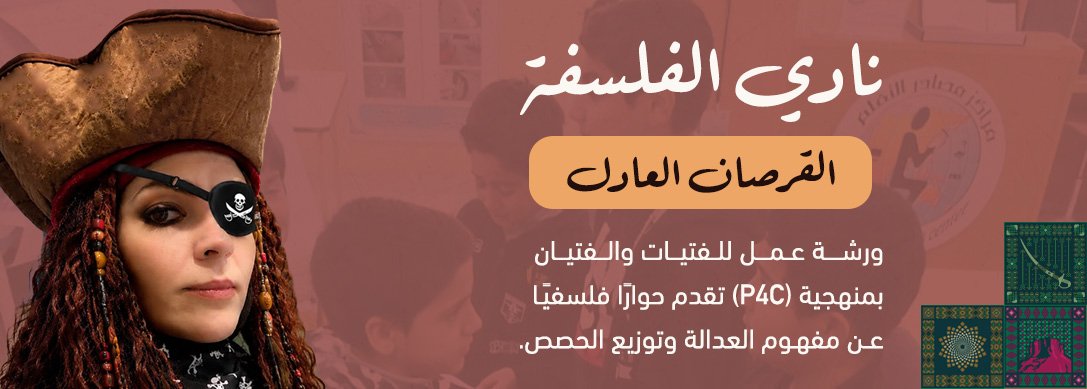
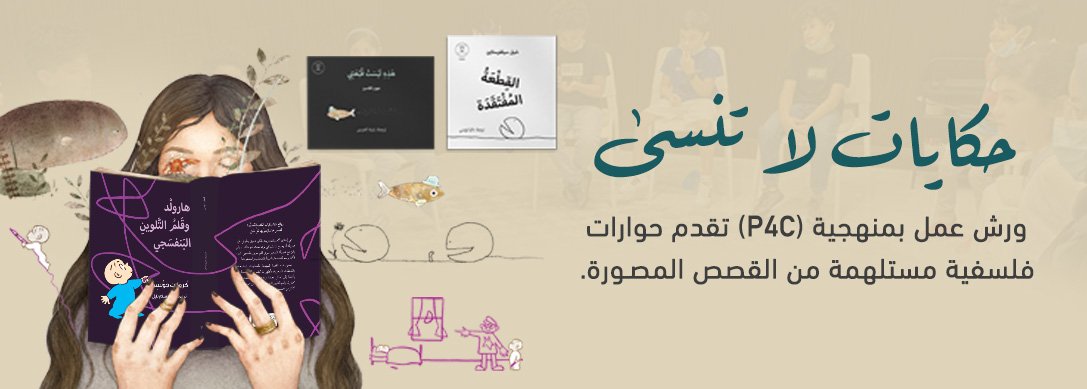
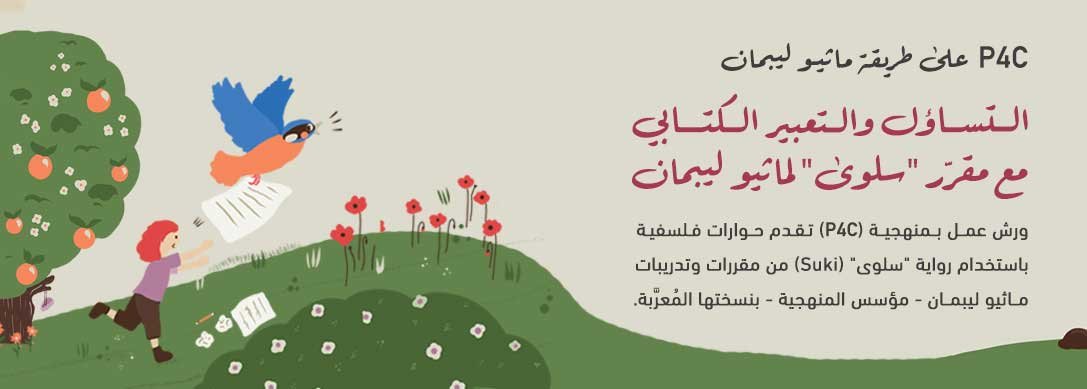
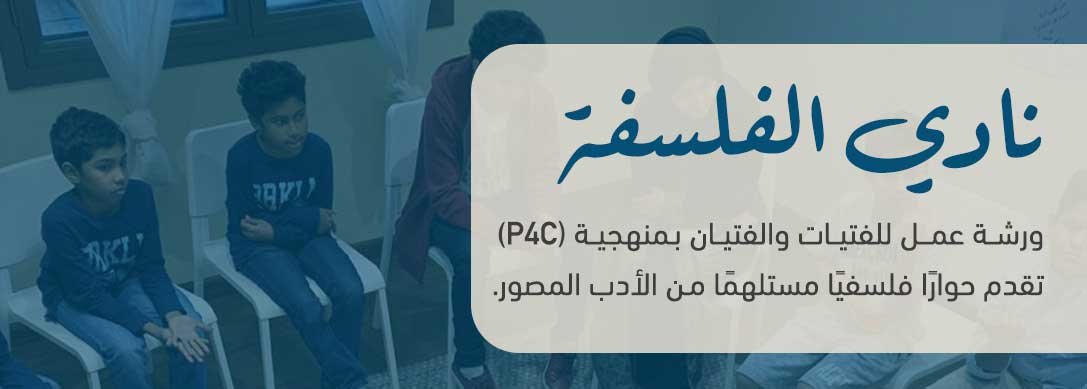






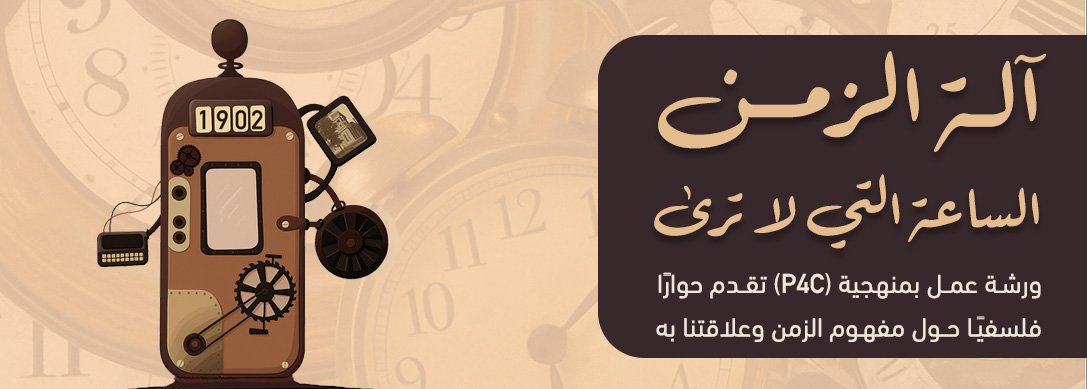
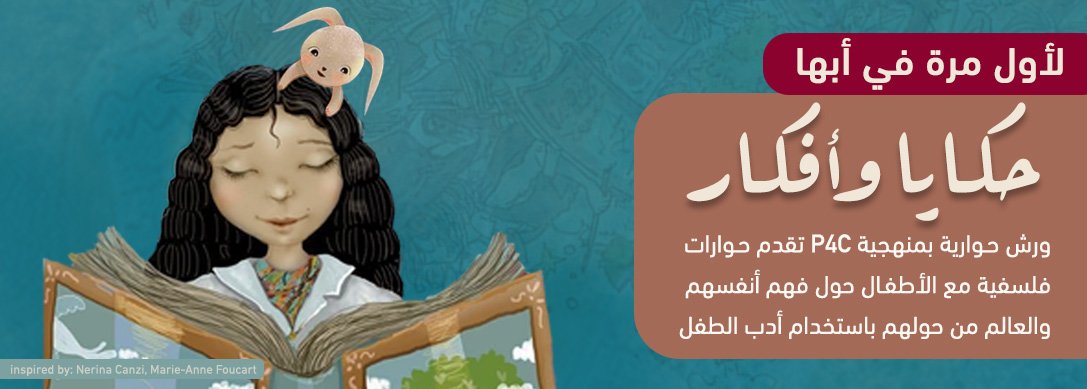











روضة حكاية غرس الأهلية


















ضمن فعاليات #مؤتمر_الرياض_الدولي_للفلسفة 2024 عن "الفلسفة وجودة الحياة: الوجود، الحقيقة، والخير" إحدى مبادرات #هيئة_الأدب_وال...

مشاركة معهد بصيرة في مؤتمر الفجيرة الدوليّ للفلسفة لاستعراض نتائج دراسة حالة “أثر تعليم التفكير الفلسفي على طلاب الصف الخامس”. ...

مشاركة أ.داليا التونسي في مؤتمر #LEARN 2024، الذي أقيم بالرياض بمشاركة أكثر من 200 متحدث، وطرح مسألة مستقبل التعليم والتعلم...

مجْمَع مؤتمر IACP المنظمة الدولية لتطوير الفلسفة للأطفال في مدينة نابولي 2024 بحضور نخبة من رواد الفلسفة للأطفال من أنحاء الع...

بكل اعتزاز ، نعلن عن حصول الأستاذة/ رنا حفني والاستاذة/ نسرين غندورة على رخصة (مدرب ميسرين معتمد للمستوي التأسيسي لتعليم وتعلم ...
حمِّل الأثر الاجتماعي - التقرير السنوي 22-2023
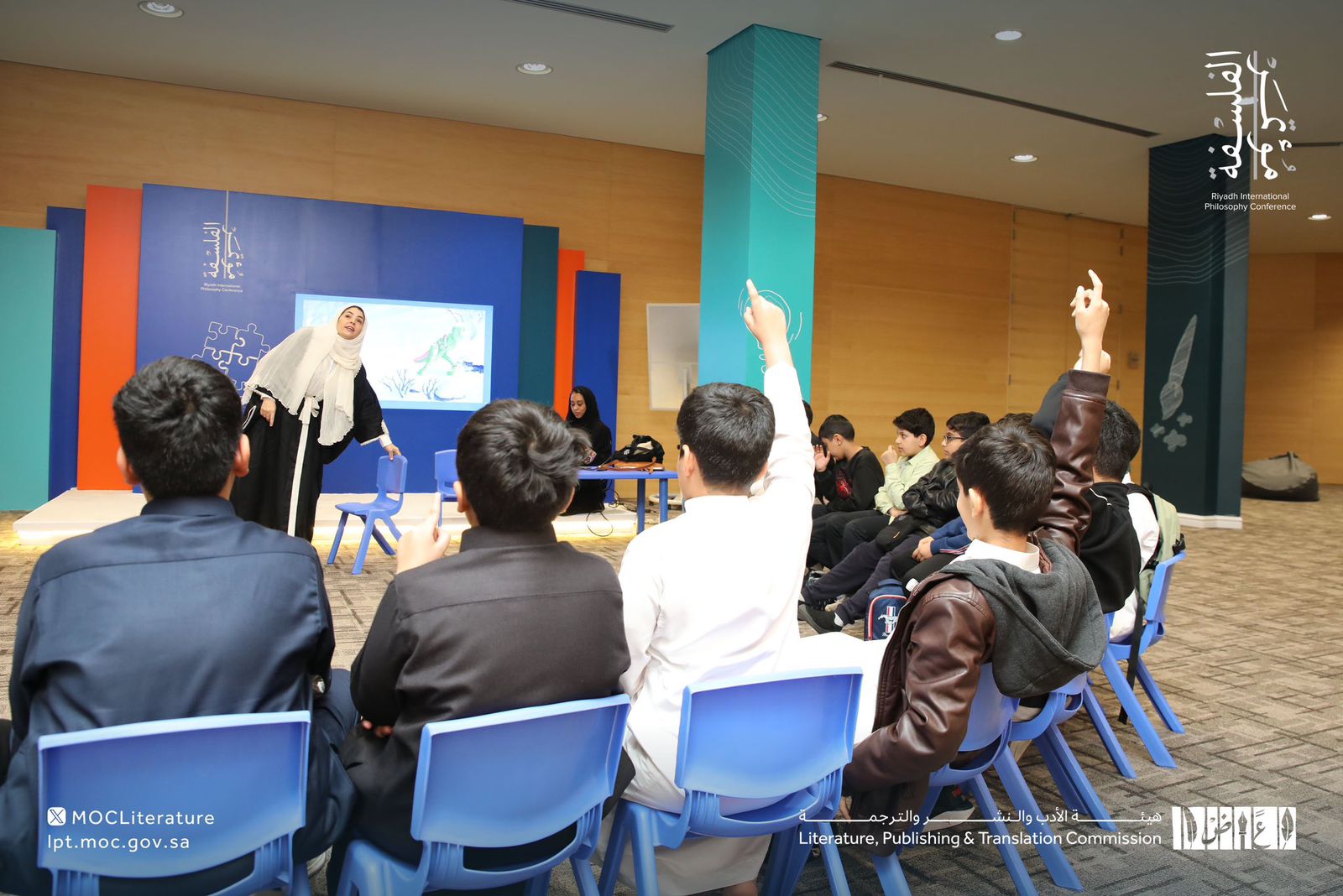
مشاركة معهد بصيرة في مؤتمر الرياض الدولي للفلسفة في دورته الثالثة. #هيئة_الأدب_والنشر_والترجمة
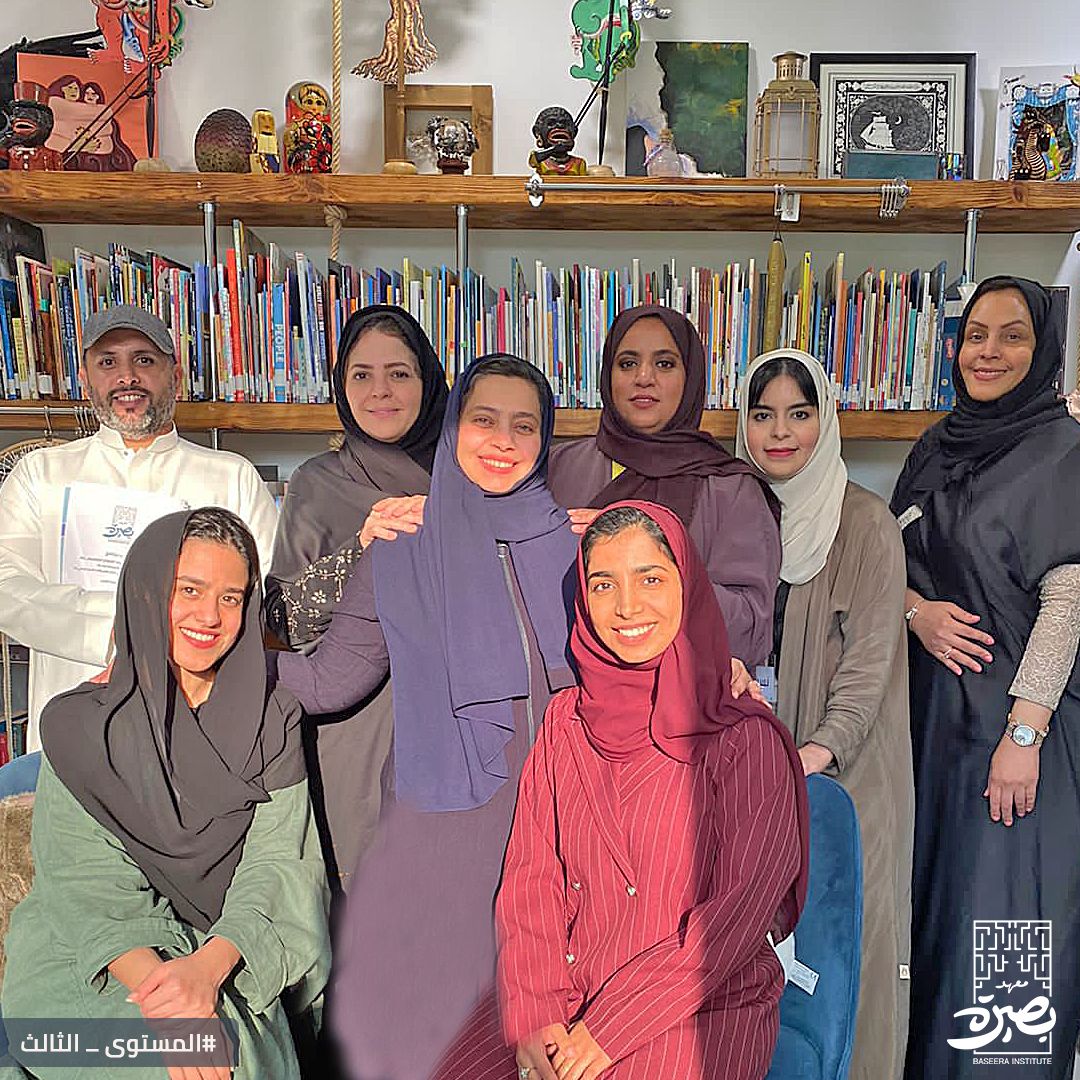
للمرة الأولى، يقيم معهد بصيرة برنامج " المستوى الثالث "المعلم المتفلسف" PE Philosophical Educator لميسري تعليم التفكير الفلسف...
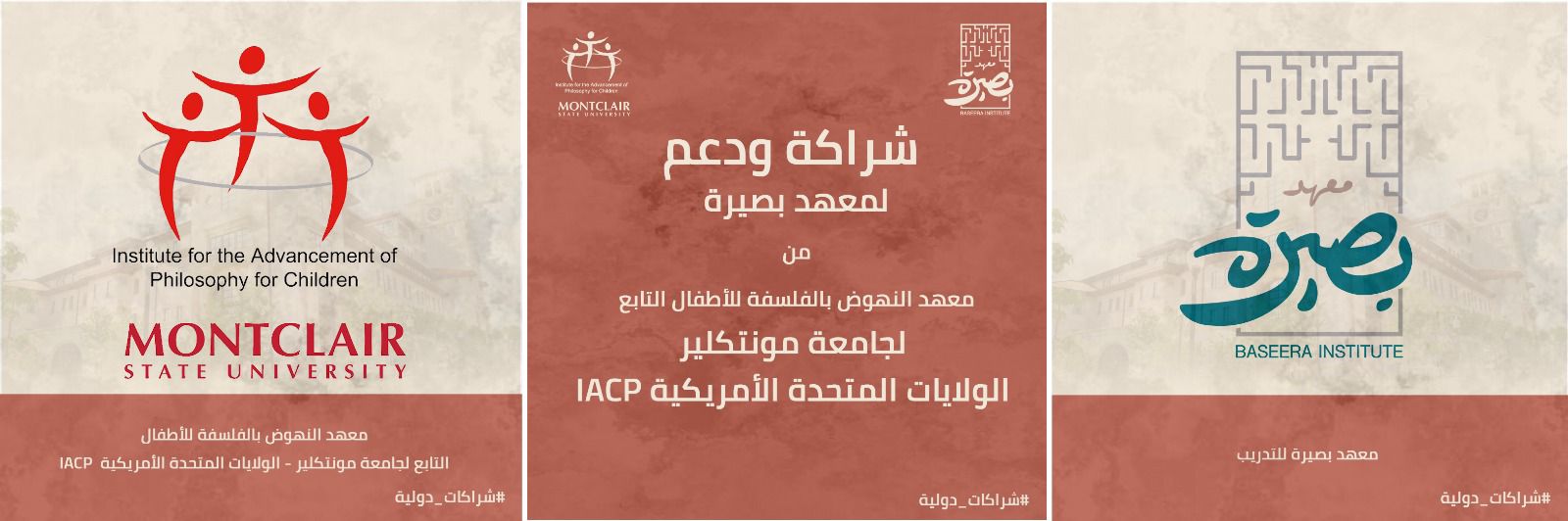
بتوفيق الله وفضله حصل معهد بصيرة على شراكة ودعم المعهد الأم في منهجية الفلسفة للأطفال (IACP) والذي أسسه رواد تعليم التفكير الفل...
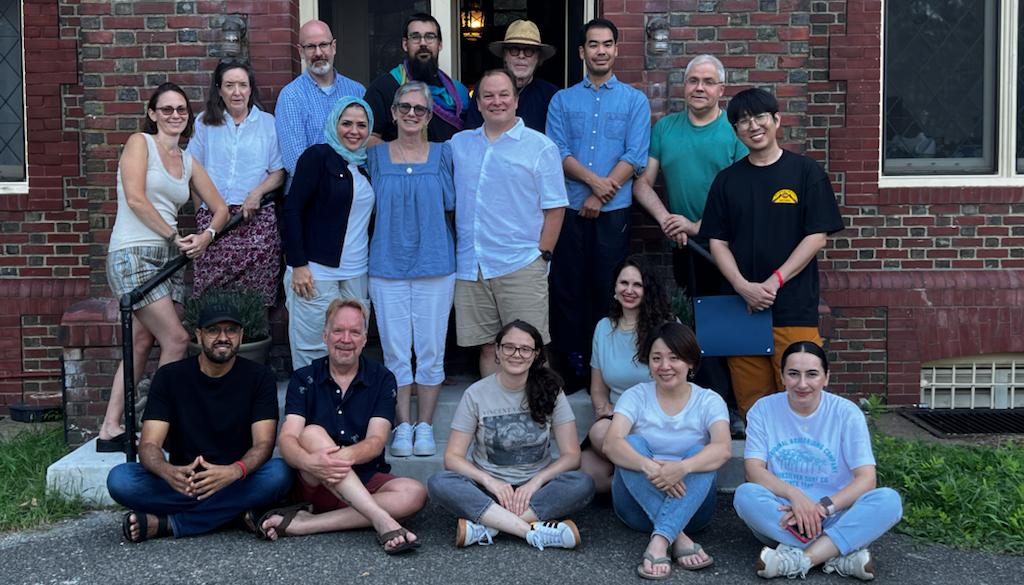
التجربة من المنبع ،، المصدر الأم لفكرة منهجية P4C وهناك، في ذلك المكان المليئ بأطياف المتفلسفين السابقين، لا تحتاج أن تقنع أحد...

اللقاء السنوي لشركاء منظمة DialogueWorks من المملكة المتحدة، المملكة العربية السعودية،تشيلي، الصين، الدوحة وغيرها والهدف هو نش...

حمِّل الأثر الاجتماعي – التقرير السنوي 2021-2022
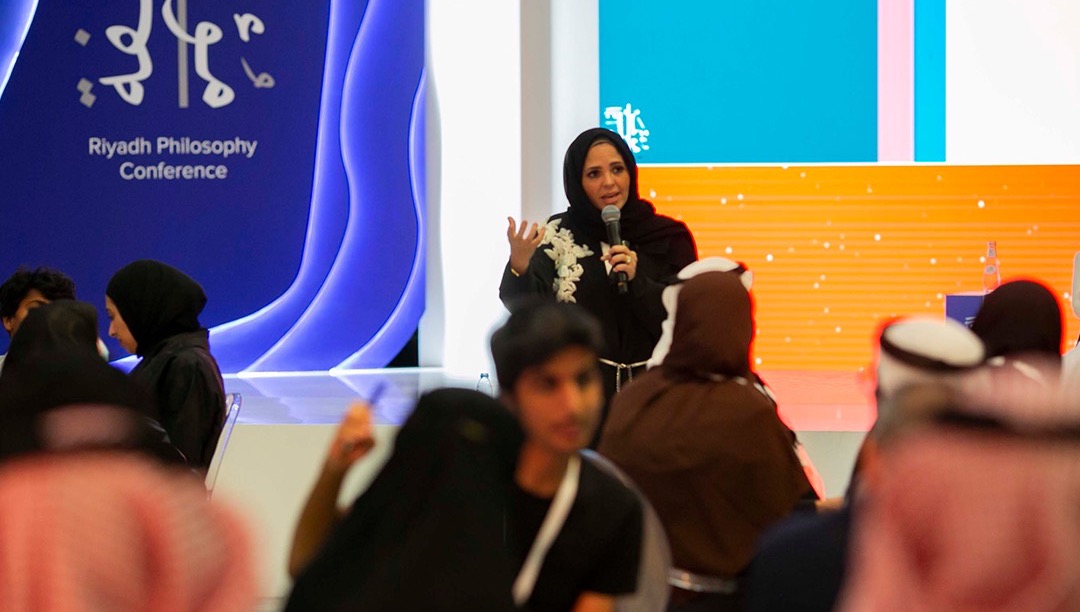
شاركت بصيرة في مؤتمر الرياض الدولي للفلسفة لعام 2022، من خلال تقديم: التعليل الأخلاقي والتفكير الفلسفي. أساليب للتساؤ...
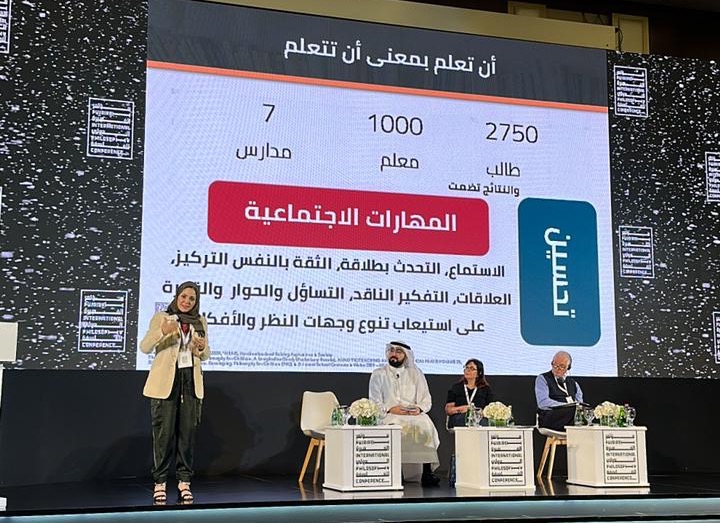
قدّمت أ.داليا تونسي ضمن ورشة فلسفة الأطفال محاضرة بعنوان "تنشئة طفل متفلسف وتقدير الفضائل في المنزل" في مؤتمر الفجيرة الدولي ...
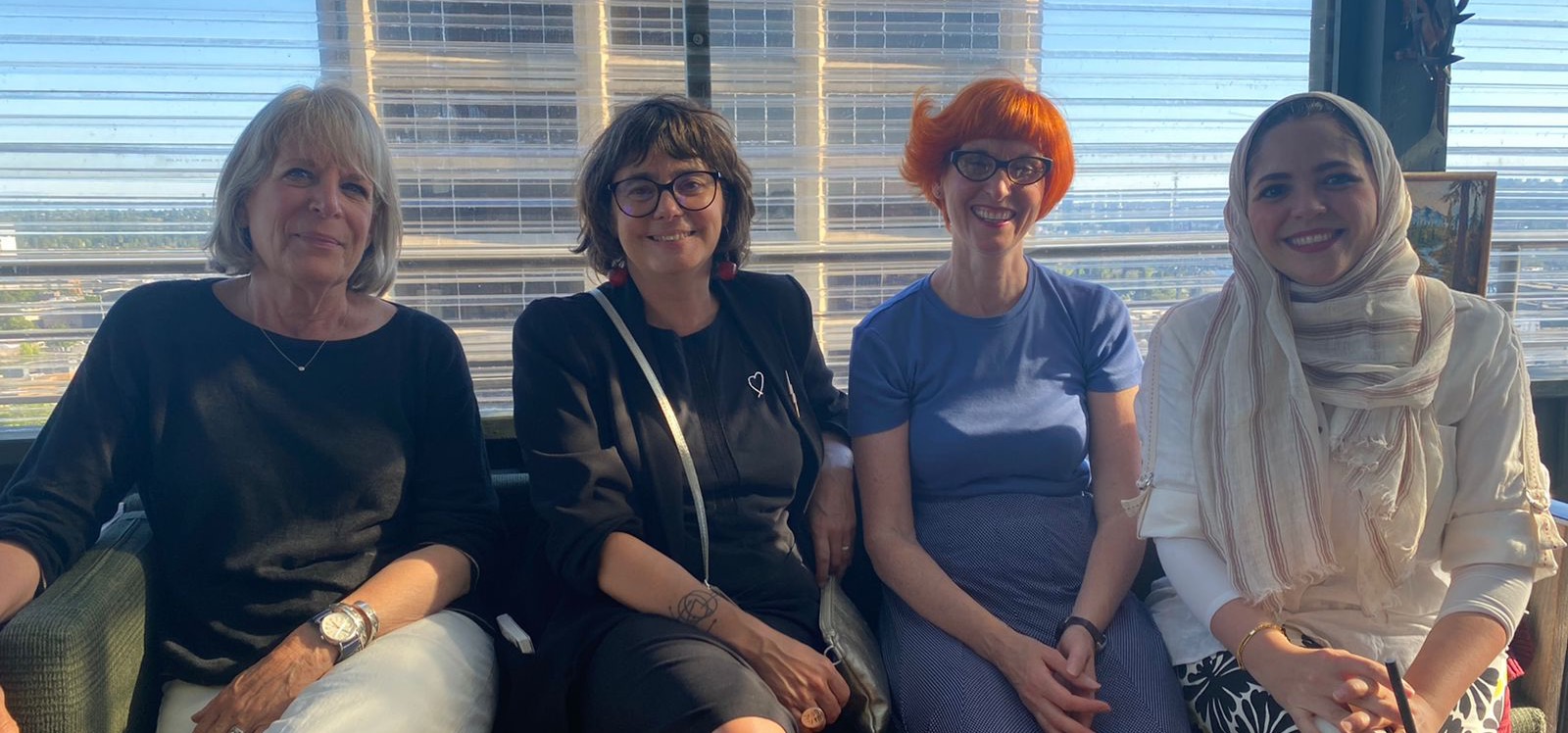
اجتياز البرنامج المكلف: "الفلسفة في المدارس" من منظمة Plato. استكمالا لمسيرة الاختصاص في توظيف منهجية التفكير الفلسفي في قطاع ا...
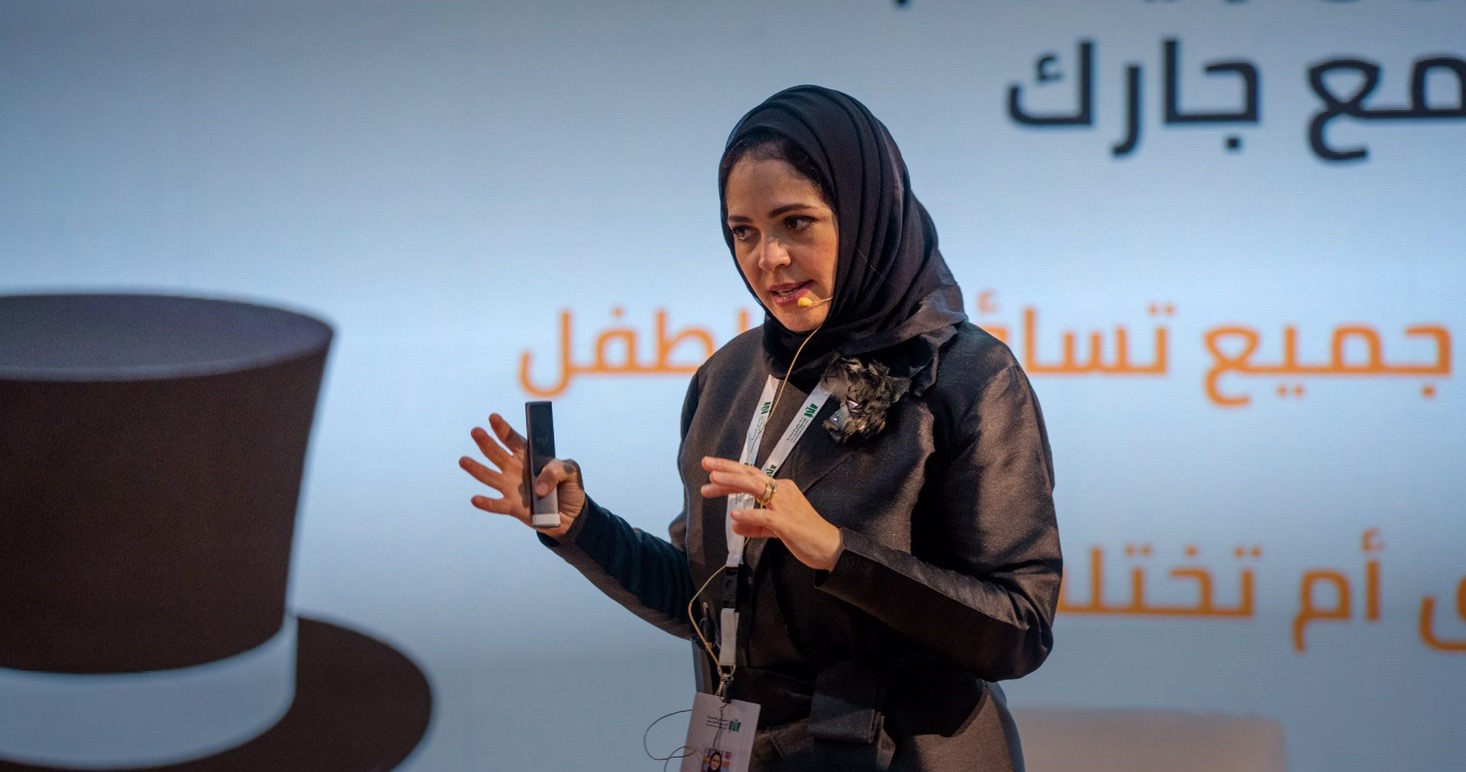
قدمت أ. داليا تونسي ورشة عمل بعنوان (كيف نتعامل مع أسئلة أطفالنا؟)
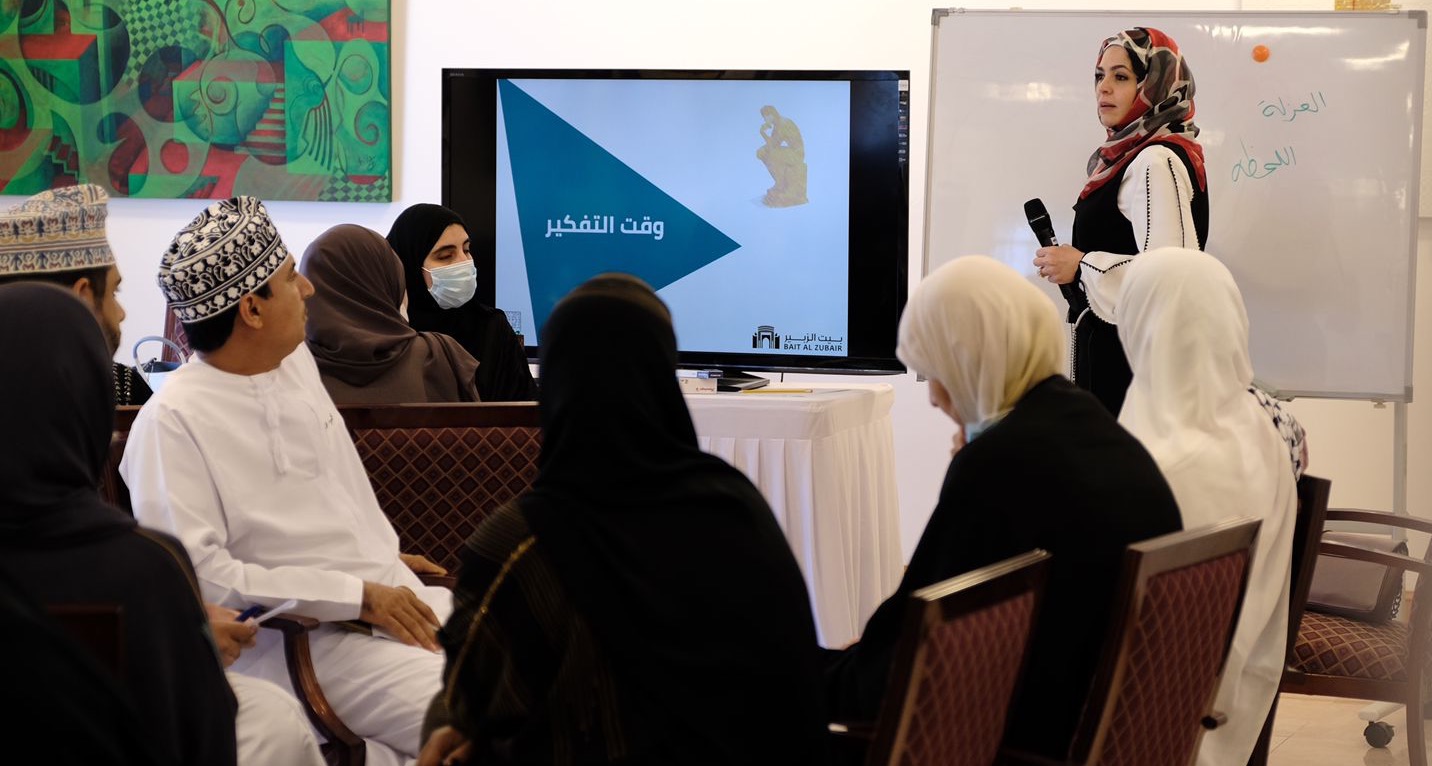
قدمت أ. داليا تونسي ورشة عمل التفكير الفلسفي مع الأطفال ورشة عمل التفكير الفلسفي من خلال أدب الطفل ورشة عمل الدود...

حمِّل الأثر الاجتماعي – التقرير السنوي 2020-21
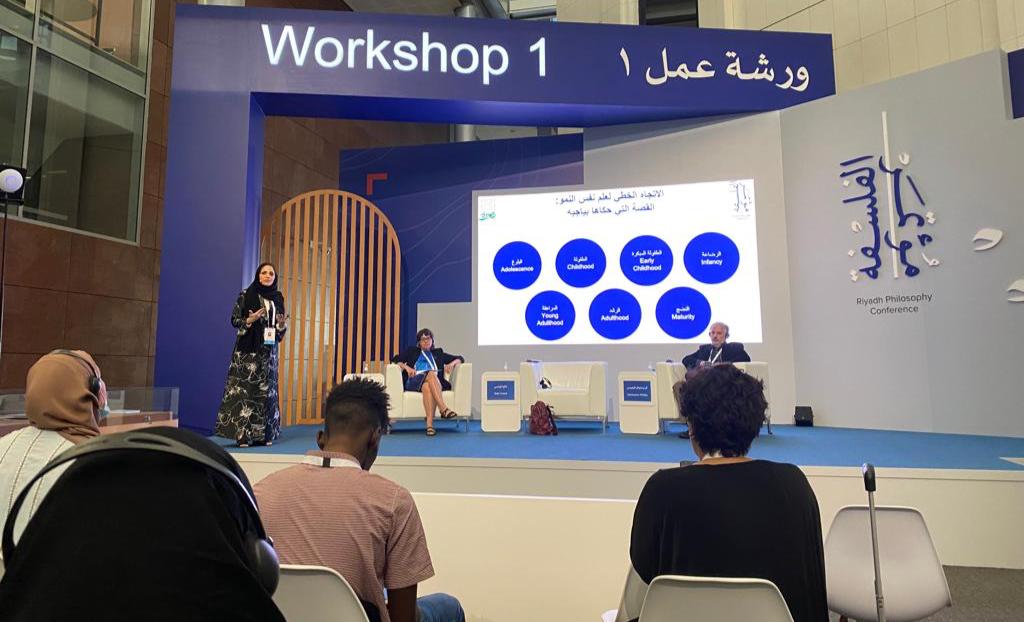
قدمت أ. داليا تونسي جلسة حوارية "نقل الفلسفة" مع / إدويج شيرووتر dwige chirouter, رئيسة كرسي ممارسات الفلسفة مع الأطفال ...
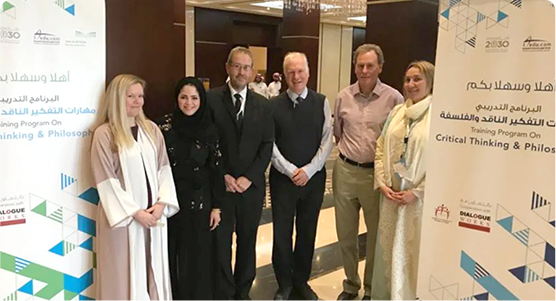
شاركت أ.داليا تونسي كأول مدربة P4C معتمدة في المملكة المتحدة مع فريق DialogueWorks من المملكة المتحدة ، بتدريب المعلمين من مناط...

تم توقيع عقد دعم المحتوى الذي يقدمه مركز الملك عبدالعزيز الثقافي -إثراء – من خلال مبادرة إثراء المحتوى التي فازت بها بصيرة ضمن ...

تم ترشيح مؤسسة بصيرة في مبادرة الجوائز الثقافية من وزارة الثقافة لعام 2020 ضمن فئة المؤسسات الثقافية.

قدّمت بصيرة في بداية شهر سبتمبر 2020م، برنامج المستوى المتقدم لميسريّ تعليم التفكير الفلسفي باللغة العربية لأول مرة في العالم.

بدأت وزارة التربية التعليم بدولة الإمارات تنفيذ البرامج التأهيلية المتخصصة لتدريس مادة الفلسفة للمعلمين بالحلقتين الأولى الثاني...